
Website Design for Company: How to Build a Professional Website That Actually Grows Your Business
A company website is no longer just a digital brochure. It’s your storefront, your sales tool, your brand ambassador, and often the first impression potential clients have of your business. That’s why website design for company growth needs to be intentional, strategic, and built with real users in mind—not just aesthetics.
Whether you’re a startup, a corporate brand, or one of many small businesses competing online, the right web design can directly impact engagement, trust, and conversions.
Why Website Design Matters More Than Ever
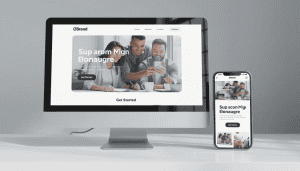 Today’s visitors decide within seconds whether they trust a website. Visual appeal, layout, and usability all influence that decision. A visually striking homepage with strong visual elements, clean white space, and intuitive navigation helps visitors quickly understand who you are, what you do, and how you can help them.
A well-designed corporate website doesn’t overwhelm users. Instead, it balances aesthetic appeal with essential information—clear services, business hours, contact details, and calls to action that guide visitors naturally through the site.
Understanding Your Target Audience Comes First
Before choosing website templates or a website builder, you need to understand your target audience. A website design for healthcare professionals will look very different from an eCommerce brand or a company offering online courses.
Ask questions like:
- Who are my potential clients?
- What problems are they trying to solve?
- Are they browsing on mobile devices or desktop?
- Do they need quick access to booking, pricing, or support options?
Design embodies strategy. When your layout, color palette, and content align with user expectations, your website becomes user friendly and trustworthy.
Key Features Every Corporate Website Should Include
The best corporate website designs share several core features that support both usability and search engines:
1. Clean Homepage Structure
Your homepage should highlight your brand identity, showcase your services, and provide immediate value. Minimal text, strong emphasis on visuals, and smart UX choices create a seamless experience.
2. Intuitive Navigation
Menus should be easy to scan, with logical sections and no clutter. Whether it’s a left panel layout or a traditional top menu, visitors should never feel lost on your site.
3. Visual Balance and White Space
Negative space (also called white space) improves readability and keeps design elements from feeling crowded. Many great examples of minimalist design use fewer images but make them count.
4. Mobile Optimization
More than half of users access websites through mobile devices. A professional website must adapt smoothly across screen sizes without losing functionality or visual appeal.
5. SEO-Friendly Structure
Search engines favor websites with clean code, fast loading times, proper heading structure, and accessible content. Good web design supports SEO—it doesn’t fight it.
Website Builders vs. Custom Web Design
There’s no shortage of website building tools available today. A free website builder or drag and drop platform can be helpful for simple projects, especially if no credit card is required to get started.
However, while the best website builder platforms offer convenience and inspiration, they often come with limitations:
- Restricted customization
- Generic website templates
- Limited SEO control
- Design constraints that weaken brand presence
A fully customizable website built by professionals allows your brand colors, color scheme, layout, and content to work together cohesively—something templates often struggle to achieve.
Visual Design That Supports Your Brand
 Strong website design isn’t just about looking good—it’s about communication. Every visual choice should support your message:
- Images should feel authentic, not stock-heavy
- Brand colors should be consistent across every page
- Design ideas should reinforce trust and professionalism
A visually striking site uses design elements intentionally. The best design examples don’t rely on trends alone—they create an emotional connection that keeps visitors engaged.
Websites as Business Growth Tools
Your website is more than a static page—it’s a living business asset. Whether you’re selling services, running an eCommerce platform, or booking consultations, your site should support engagement, insights, and conversions.
A professional web presence helps:
- Build credibility
- Convert visitors into customers
- Support marketing tools like SEO, search, and PPC
- Showcase innovation and expertise
- Strengthen long-term brand value
About Granat Design
Granat Design is an established, multi-award winning creative graphic design studio with over 25 years of experience serving businesses throughout South Florida. Located in Palm Beach Gardens, Florida, we specialize in website design for company growth, helping brands stand out in competitive markets.
Our services include:
- Professional Web Design
- Logo Design & Brand Identity
- Facebook Advertising
- Search Engine Optimization (SEO)
- Google PPC Advertising
- Graphic Design & Visual Branding
Everything we create is designed to distinguish our clients from their competition and position them for long-term success—both visually and strategically.
 Contact Granat Design
📞 Phone: 561.909.7601
✉️ Email: [email protected]
Frequently Asked Questions (FAQ)
What makes a good website design for company websites?
A good design balances visual appeal, usability, and performance. It should be user friendly, mobile-responsive, SEO-ready, and aligned with your brand identity.
Is a website builder enough for a professional business website?
A website builder can work for basic needs, but most companies benefit from a custom-built site that offers better SEO, stronger branding, and full customization.
How important is SEO in web design?
SEO is critical. A well-designed website helps search engines understand your content, improves visibility, and increases access to potential customers.
Can web design impact customer trust?
Absolutely. Clean layouts, intuitive navigation, consistent branding, and fast performance all influence how customers perceive your business.
How often should a company update its website?
Most businesses should review their website every 2–3 years to ensure it reflects current branding, technology, and customer expectations.